%2Ffit-in%2F250x250%2Fguide_websites%2F1436%2Fimages%2F1735921639982logo-whitebackground.png&w=1920&q=100)
/users/1735cad4-f911-43ac-b7c4-e5cd1ff8dcf9/ratecard/a0f79afa-78d0-4694-8bad-9817ffe4c023.jpg)
%2F300x300%2Fusers%2F1735cad4-f911-43ac-b7c4-e5cd1ff8dcf9%2Fratecard%2Fa0f79afa-78d0-4694-8bad-9817ffe4c023.jpg&w=256&q=75)
%2F300x300%2Fusers%2F1735cad4-f911-43ac-b7c4-e5cd1ff8dcf9%2Fimages%2Fsuccessful-fishing-ny-2824.png&w=256&q=75)
%2F300x300%2Fusers%2F1735cad4-f911-43ac-b7c4-e5cd1ff8dcf9%2Fimages%2Fthree-chinook-salmon-ny-fishing-2950.png&w=256&q=75)
%2F300x300%2Fusers%2F1735cad4-f911-43ac-b7c4-e5cd1ff8dcf9%2Fimages%2Fsalmon-fishing-ny-2734.png&w=256&q=75)
%2F300x300%2Fusers%2F1735cad4-f911-43ac-b7c4-e5cd1ff8dcf9%2Fimages%2Fchinook-salmon-fishing-ny-2839.png&w=256&q=75)
%2F300x300%2Fusers%2F1735cad4-f911-43ac-b7c4-e5cd1ff8dcf9%2Fimages%2Frainbow-trout-fishing-ny-2715.png&w=256&q=75)
%2F300x300%2Fusers%2F1735cad4-f911-43ac-b7c4-e5cd1ff8dcf9%2Fimages%2Ffive-chinook-salmon-pulaski-2856.png&w=256&q=75)
%2F300x300%2Fusers%2F1735cad4-f911-43ac-b7c4-e5cd1ff8dcf9%2Fimages%2Fanglers-reel-in-great-catch-2455.png&w=256&q=75)
%2F300x300%2Fusers%2F1735cad4-f911-43ac-b7c4-e5cd1ff8dcf9%2Fimages%2Foutdoor-enthusiasts-conquer-ny-2662.png&w=256&q=75)
%2F300x300%2Fusers%2F1735cad4-f911-43ac-b7c4-e5cd1ff8dcf9%2Fimages%2Fsuccessful-fishing-pulaski-2564.png&w=256&q=75)
Top-Rated Ice Fishing on Lake Ontario, NY

 New York
What you will be catching:
 American Yellow Perch
 Crappie
 Lake Trout
 Northern Pike
 Walleye
- Guided ice fishing trips targeting five Lake Ontario species
- All equipment, heated shelter, and fishing licenses included
- Six-hour ($300) or full-day ($500) options for three anglers
Trip Pricing and Availabilities:
Ice Fishing Adventures on Lake Ontario
When Lake Ontario locks up for winter, that's when the real fishing action begins. Over The Rail Sportfishing has been running top-rated ice fishing trips out here for years, and let me tell you – there's nothing quite like pulling a fat walleye through a hole in the ice while staying warm in our heated shanties. We're talking about some of the best ice fishing in New York, with Lake Ontario serving up everything from chunky yellow perch to trophy lake trout. Whether you're a first-timer or you've been chasing fish through the ice for decades, we've got the spots, the gear, and the know-how to put you on fish.
What to Expect on the Ice
Here's the deal – we keep things simple so you can focus on catching fish. You show up at 6:00 AM (yeah, it's early, but that's when they bite), and we handle everything else. All your rods, reels, tackle, bait, and even your fishing license are covered. No need to drag your own gear across the ice or worry about what lures to bring. Our heated shanties are game-changers too – you can actually feel your fingers while you're jigging, which makes a huge difference when you're out there for 6 to 8 hours. We take up to 3 people per trip, so it's intimate enough that everyone gets personalized attention. Ice conditions change constantly on Lake Ontario, so we're always scouting new spots and adjusting our locations based on where the fish are holding and where the ice is safest. Some days we're targeting shallow bays for perch and crappie, other days we're drilling holes over deeper structure for lake trout and walleye.
Gear & Ice Techniques
Ice fishing on Lake Ontario isn't just dropping a line and hoping for the best – there's real technique involved. We use quality ice rods with sensitive tips so you can feel even the lightest bite, paired with smooth reels that won't freeze up when temperatures drop. Our tackle boxes are loaded with proven producers: small jigs tipped with minnows for perch and crappie, larger spoons and swimbaits for pike and lake trout, and everything in between for walleye. The key is matching your presentation to what the fish want that day, and ice conditions play a huge role in fish behavior. When it's a bluebird day with high pressure, we might need to downsize our offerings and fish more subtly. On overcast days with falling pressure, the fish often get more aggressive and we can use bigger, flashier baits. Our fish finders help us locate schools and structure, but reading the ice and understanding how fish move underneath it – that's where experience really pays off.
Species You'll Want to Hook
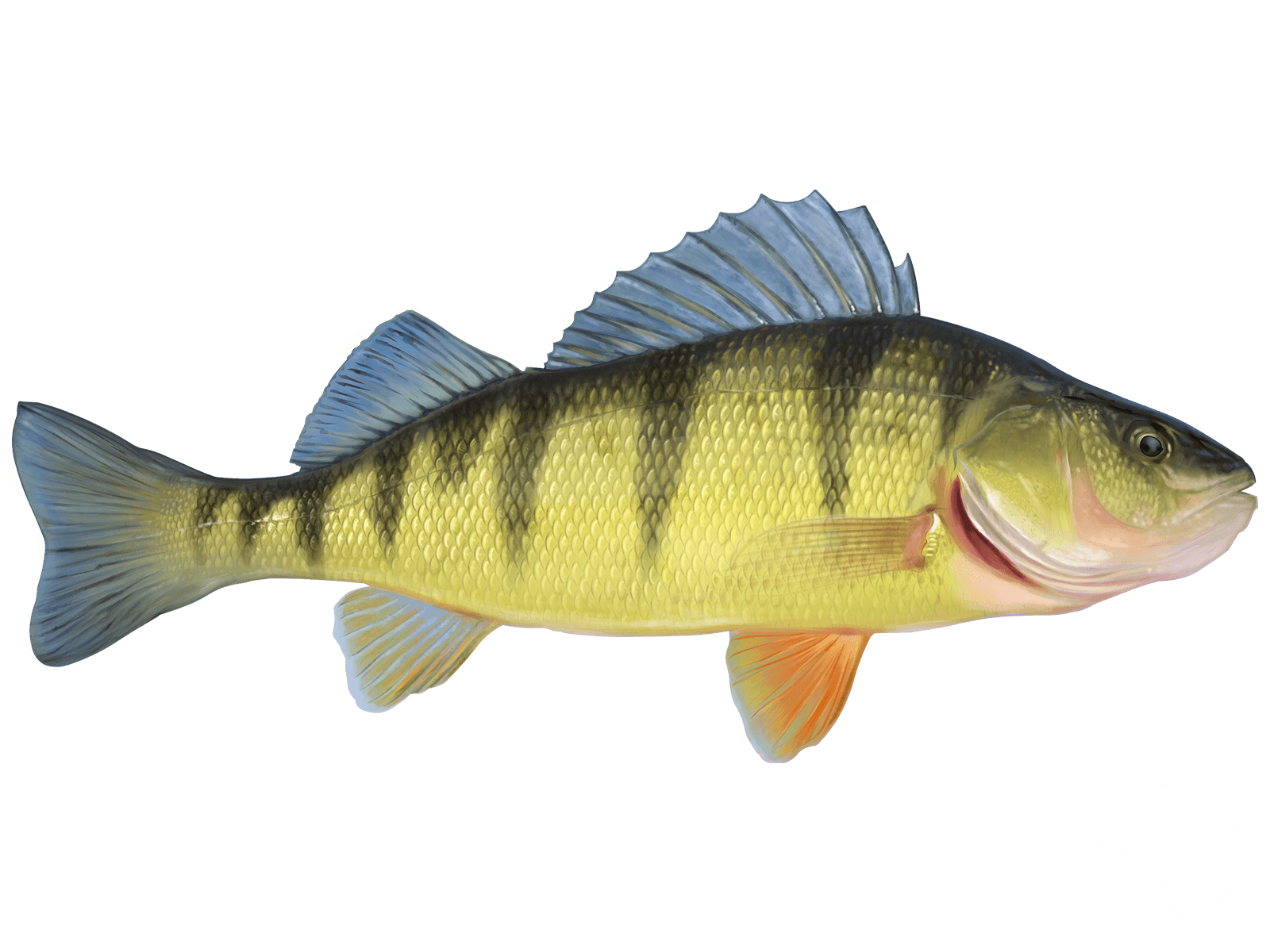
American Yellow Perch are the bread and butter of Lake Ontario ice fishing, and for good reason. These bright golden beauties school up tight in winter, so when you find them, you usually find a bunch. They average 8-12 inches here, with some pushing 14 inches if you're lucky. Perch are aggressive feeders through the ice and provide steady action – perfect for keeping kids or first-timers engaged. Plus, they're fantastic eating, with sweet, flaky white meat that's hard to beat.
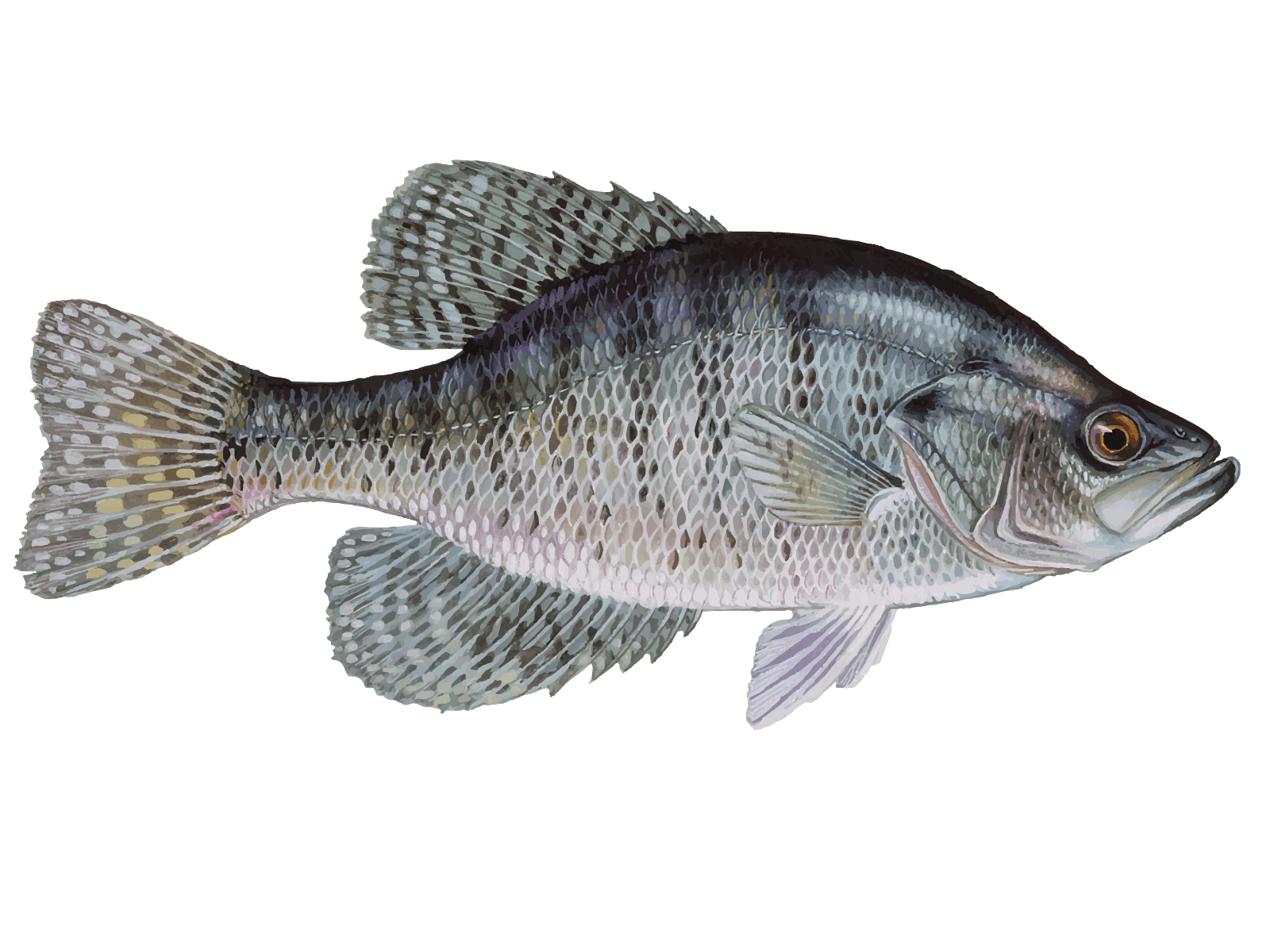
Crappie fishing really heats up mid-winter when these slab-sided panfish gather around structure. Lake Ontario's crappie run bigger than most lakes, with fish pushing 12-15 inches not uncommon. They're finicky biters though – one minute they're crushing everything you drop down, the next minute they'll ignore the same bait. That's what makes them so addictive to target. When you dial in their pattern, you can have some absolutely epic days.
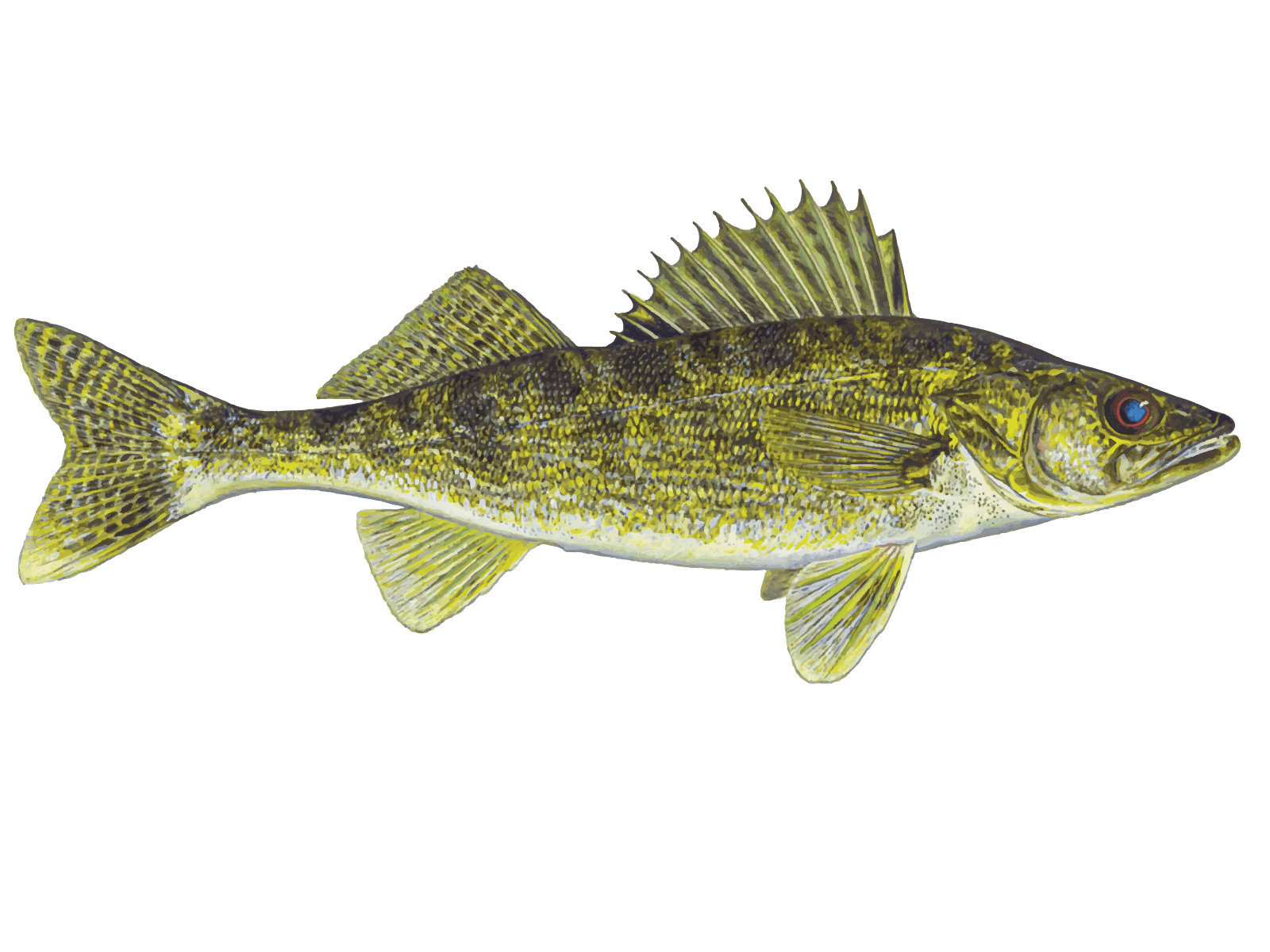
Walleye are the crown jewel of our ice fishing trips. These golden-eyed predators are built for low-light hunting, making early morning and late afternoon prime time. Lake Ontario produces walleye in the 18-25 inch range regularly, with bigger fish always possible. They're notorious for subtle bites – sometimes just a slight weight on your line – but when you set the hook on a big walleye, that head-shaking fight through the ice gets your blood pumping every time.
Northern Pike add serious excitement to any ice fishing trip. These toothy predators patrol the edges of weed beds and drop-offs, ready to crush anything that looks like an easy meal. Lake Ontario pike commonly run 24-30 inches, with fish over 36 inches caught every season. When a pike hits, there's no mistaking it – they'll nearly rip the rod out of your hands. The fight is explosive, with runs and jumps that'll test your gear and your nerves.
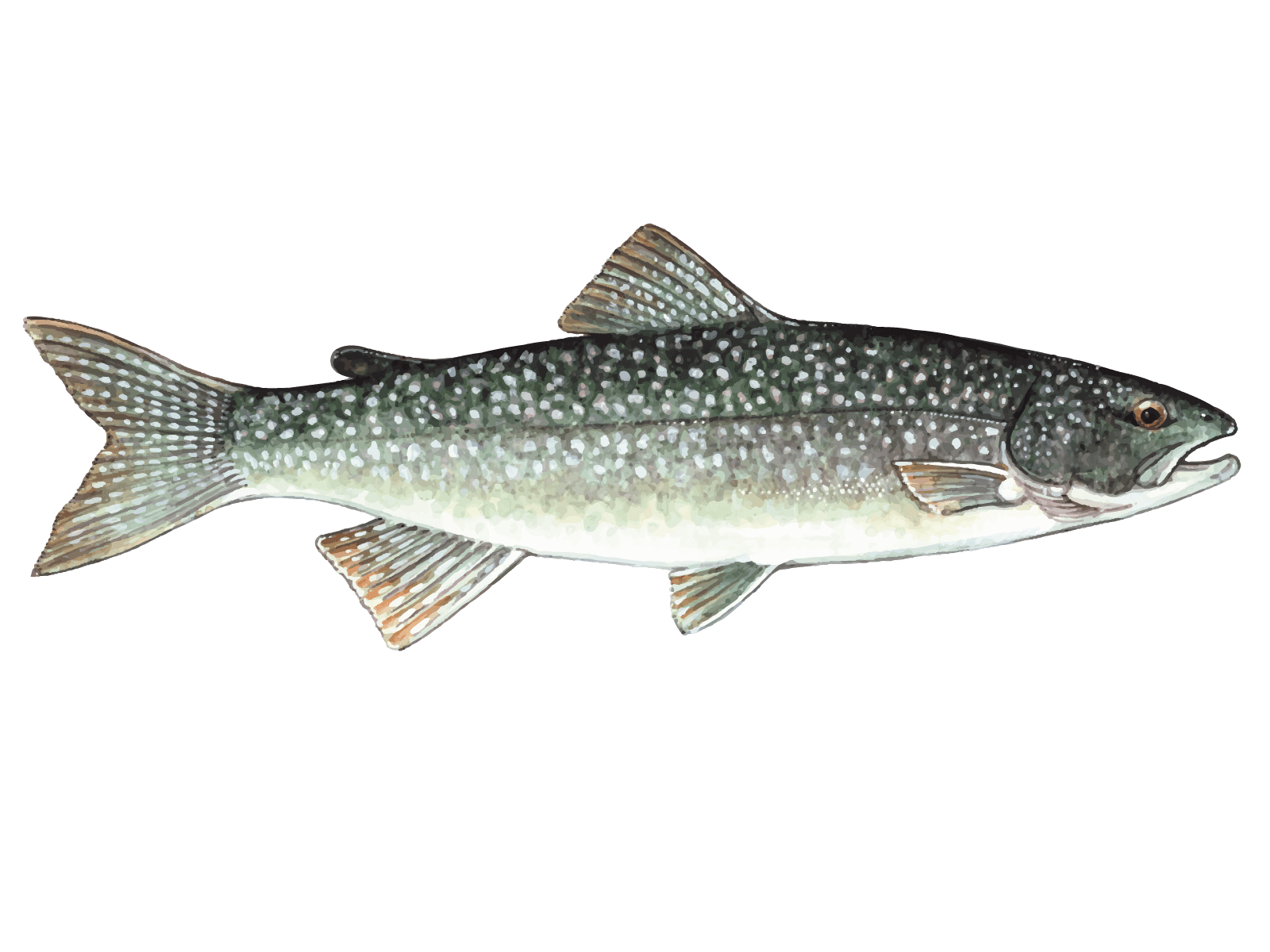
Lake Trout are the ultimate prize fish when ice fishing Lake Ontario. These deep-water natives can live for decades and grow massive – we're talking fish that can push 20-30 pounds or more. They're typically found in deeper water, often 40-80 feet down, so we use heavier tackle and bigger baits. Lake trout have incredible stamina, so landing one is a real accomplishment. Their pink-orange meat is rich and flavorful, making them a favorite among anglers who like to keep a fish for dinner.
Time to Book Your Spot
Look, ice fishing on Lake Ontario isn't just about catching fish – though we do plenty of that. It's about getting outside during the quiet season, experiencing the lake in a completely different way, and maybe learning a few new techniques along the way. Our full-day trips run sunrise to sunset for $500, giving you maximum time on the ice when fish are most active. If you can't commit to the full day, our 6-hour trips at $300 still give you plenty of fishing time and a real shot at quality fish. Ice season is short and unpredictable, so when conditions line up, you want to be ready to go. We're constantly monitoring ice thickness and fish reports
Customer Review
Learn more about the animals
American Yellow Perch
Yellow perch are the bread and butter of Lake Ontario ice fishing - consistent, tasty, and perfect for families. These golden fish with dark vertical bars typically run 6-10 inches and travel in schools of dozens or even hundreds. You'll find them over sandy or rocky bottom in 15-30 feet of water, often relating to subtle structure changes. They bite well all day during winter, making them ideal when other species slow down. What makes perch so popular is they're fantastic eating - sweet, firm fillets that fry up beautifully. Plus, kids love catching them since the action stays steady once you locate a school. Simple tip-ups with small minnows or tiny jigs work best. Here's the key: when you catch one, mark that spot and work the area thoroughly. Where there's one perch, there's usually a whole bunch more waiting.
Crappie
Crappie are excellent panfish that run 7-12 inches and pack some decent fight for their size. You'll find both black and white crappie in Lake Ontario - blacks have scattered speckles while whites show vertical bars. These fish love hanging around structure like fallen timber, weed edges, and drop-offs in 10-20 feet of water. Winter ice fishing is prime time since they school up tight and stay active in cold water. What makes crappie so popular is their sweet, flaky white meat - hands down some of the best eating fish you'll catch. They travel in schools, so when you find one, there's usually more nearby. Here's a tip: use small jigs tipped with minnows and fish them slow. Crappie are notorious for light bites, so watch your rod tip closely.
Lake Trout
Lake trout are the deep-water giants of Lake Ontario, typically ranging 20-30 inches with some real monsters pushing 40-plus. These cold-water natives live in the deepest parts of the lake, usually 60-120 feet down, suspended over open basins or relating to deep structure. Winter ice fishing puts them within reach since they move up slightly and hold more predictably. What draws anglers to lakers is their powerful, bulldogging fight and excellent eating quality - firm, pink flesh that's rich in omega-3s. They're also one of our longest-lived fish, making each catch special. The challenge is getting down to them and staying patient. Heavy jigging spoons or tube jigs work best, fished right on bottom. Pro tip: use your electronics to mark fish, then drop straight down and work your lure with subtle lifts. These fish bite light, so stay sharp.
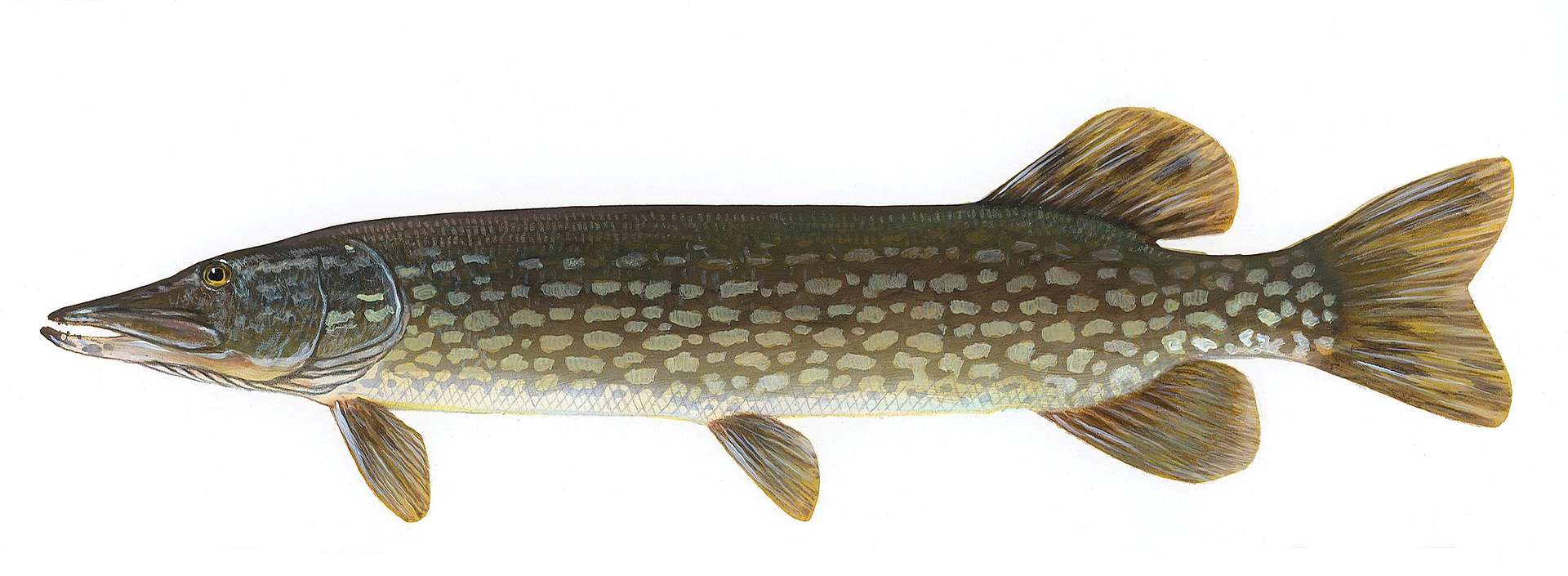
Northern Pike
Northern pike are the apex predators of Lake Ontario's shallow bays and weed lines. These toothy missiles average 24-30 inches but can stretch past 40, putting up an aggressive fight with sudden runs and head shakes. Look for them around structure in 8-15 feet - weed edges, rocky points, and inlet mouths where they ambush baitfish. Ice fishing is prime time since they stay active all winter and are easier to locate when confined to smaller areas. Pike aren't the best eating, but they're pure adrenaline on the end of your line. Their razor-sharp teeth and unpredictable nature make every hookup exciting. Use a steel leader - trust me on this one. These fish will slice through regular line like butter. My best winter tip: work your bait with erratic movements to trigger their predatory instincts, then hold on tight.
Walleye
Walleye are the gold standard for both sport and table fare in Lake Ontario. These nocturnal feeders typically run 15-25 inches and put up a solid scrap on light tackle. You'll recognize them by those glassy, reflective eyes that help them hunt in low light. During winter, they move to deeper structure - rock piles, drop-offs, and basin areas in 25-40 feet of water. The bite really picks up at dawn and dusk when they move shallow to feed. What guests love most is the eating quality - firm, white, mild-flavored fillets that are tough to beat. Their sharp teeth and spiny gill plates demand respect when handling. My go-to winter setup is a jigging spoon tipped with a minnow head, worked slowly near bottom. Pro tip: when you feel that subtle tick on the line, don't set the hook hard - just lift the rod steady.